Why Can Speaker Production Prices Vary So Much?
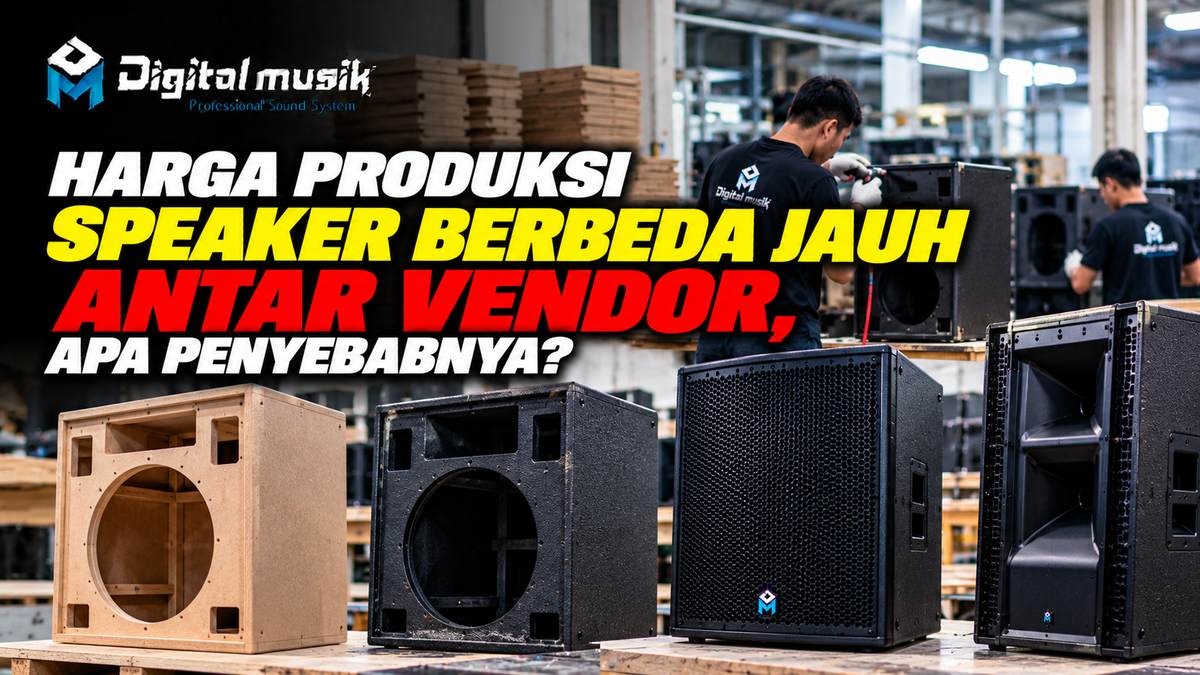
You might have wondered why price quotes for speaker production, especially for custom or OEM projects, can vary drastically from one vendor to another. This difference is not merely due to varying profit margins, but is influenced by a series of fundamental factors related to the production process, the materials used, and the business scale of each service provider.
For those of you currently evaluating vendors for a speaker project, understanding these price-differentiating factors is crucial. This will help you make more informed decisions, get quotes that match the expected quality, and avoid misunderstandings later on.
Key Factors Influencing Speaker Production Price Differences
Let's break down the factors that most often determine the differences in speaker production prices between vendors:
1. Material Quality and Type
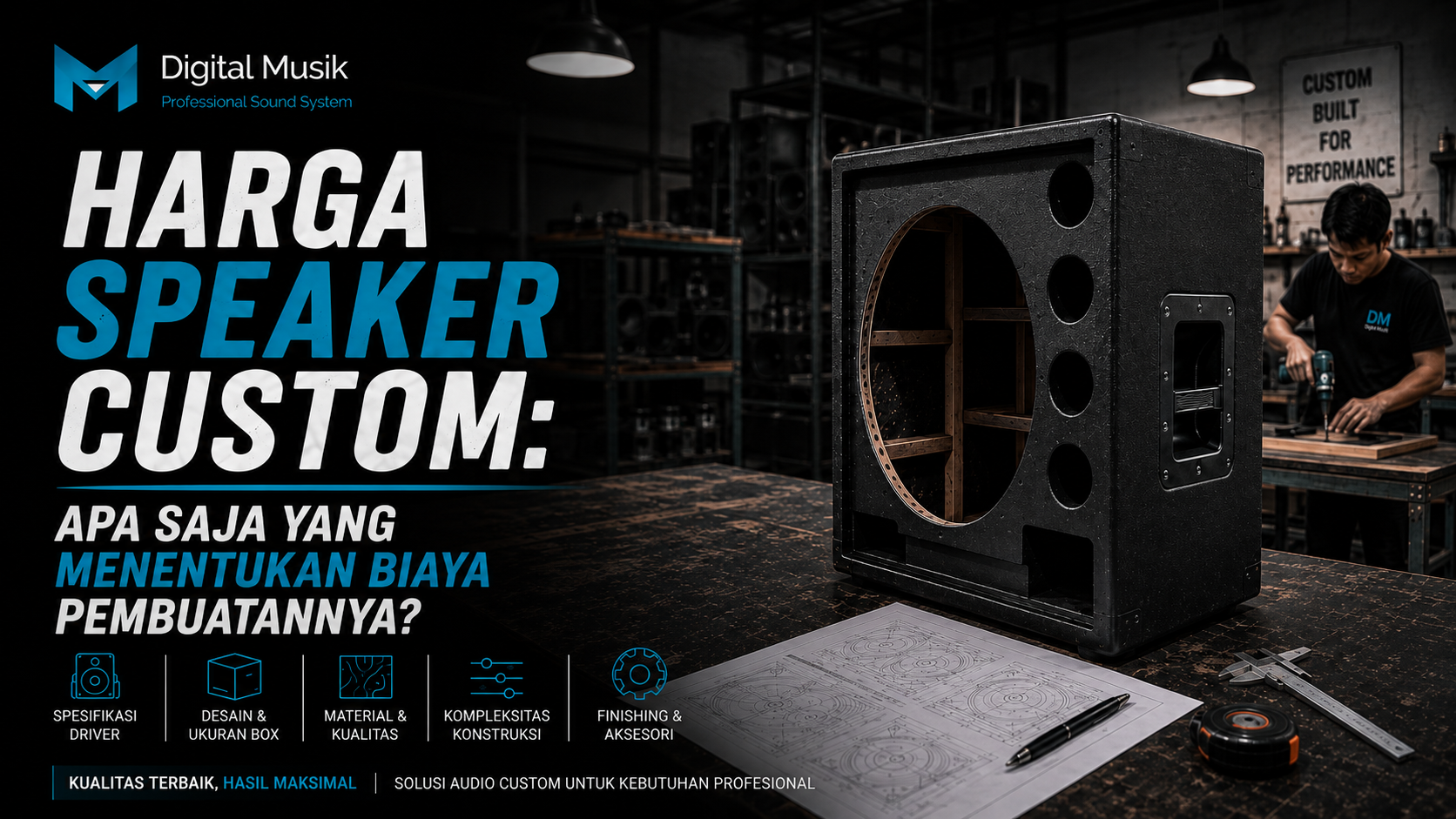
This is one of the most significant factors. The quality of materials used for the speaker cabinet (such as types of wood like Plywood, MDF, or other composite materials), internal components (driver, crossover, terminal), and even the finishing (texture paint, veneer, lamination) will greatly affect the cost. Vendors using premium materials with high specifications will naturally set higher prices compared to those using standard or economical materials.
2. Production Scale (Quantity)
The principle of economies of scale applies here. Large-volume production (e.g., hundreds or thousands of units) will typically result in a lower price per unit. This is because machine setup costs, tooling, and labor can be spread across more units. Vendors with large production capacities and who frequently undertake large-scale projects tend to offer more competitive prices for high quantities.
3. Design Complexity and Technical Specifications
Complex cabinet designs with special curves, the need for precise porting, or very specific driver specifications (e.g., custom drivers with certain Thiele-Small parameters) will require a more time-consuming and labor-intensive fabrication process. The more complex the design and the stricter the technical specifications, the higher the production cost.
4. Quality of Internal Components (Driver, Crossover, etc.)
The price of drivers (woofer, midrange, tweeter), passive crossovers, and other electronic components varies greatly depending on the brand, quality, and technical specifications. Using components from renowned brands with high performance will certainly increase the overall selling price of the speaker compared to generic components or those from lesser-known brands.
5. Finishing and Branding Process
Finishing choices also contribute to the price. Standard finishes like texture paint might be more economical. However, if you desire premium finishes such as real wood veneer, piano lacquer, or custom painting with specific colors, the cost will be higher. Additionally, branding processes like adding custom logos, etching, or special stickers also add to the production cost.
6. Level of Quality Control (QC) and Testing
Vendors who implement strict Quality Control standards, conduct thorough acoustic testing, and ensure each unit meets specifications will require more investment in resources and time. This comprehensive QC process is important for ensuring the quality of the final product, but also adds to operational costs.
7. Production Facilities and Technology Used
Vendors who invest in modern production machines, CNC (Computer Numerical Control) technology for high precision, or other automation systems may have different operational costs. Although the initial investment is high, this technology can often improve production efficiency and quality.
8. Vendor Reputation and Experience
Vendors who already have a good reputation in the industry, a proven track record, and experience handling various types of projects can often command slightly higher prices. This reflects confidence in the quality, reliability, and service they offer.
9. Location and Operational Costs
Operational costs such as rent, labor wages, and logistics costs in certain geographical locations can also influence pricing. Vendors located in areas with high operational costs may need to adjust their prices.
How to Evaluate Speaker Production Price Quotes?
Understanding the factors above is a good first step. Here is a simple checklist to help you evaluate price quotes:
Speaker Production Quote Evaluation Checklist:
- Cabinet Material: Ensure the type and thickness of wood/material meet specifications (e.g., Plywood Baltic Birch 18mm, MDF 25mm).
- Internal Components: Check driver details (brand, model, specifications), crossover type (passive/active, components used), and terminals.
- Design & Dimensions: Does the design match the request? Are the dimensions and internal volume calculated correctly?
- Finishing: Specify the type of finishing (texture paint, veneer, lamination) and ensure color or pattern details match.
- Branding: If there's a custom logo or branding, ensure the application method is clear (screen printing, etching, stickers).
- Quantity: Ensure the quoted price is for the number of units you require. Ask about discounts for larger quantities.
- QC Process & Warranty: Inquire about the QC procedures performed and if there's a warranty for the finished product.
- Production Timeline: Understand the estimated production time from design approval to units ready for shipment.
- Additional Costs: Ensure there are no hidden costs (e.g., setup fees, redesign fees, shipping costs).
Choosing the Right Production Partner
Differences in speaker production prices between vendors are normal due to many variables. The main key is not just to seek the cheapest price, but to find a vendor that can offer the best balance between quality, specifications, and cost according to your project needs.
If you are in the planning stage for custom or OEM speaker production and wish to discuss specifications, materials, or estimated production costs, PT Digital Musik Indonesia can be your discussion partner. We have experience in the professional audio ecosystem and can help map out your needs to produce optimal audio solutions. By understanding your project details, we can provide relevant input regarding speaker cabinet fabrication, component selection, and the production process.
Prepare your detailed specifications, target usage, estimated quantity, and material and finishing preferences. Contact us to start a discussion about your speaker production needs.