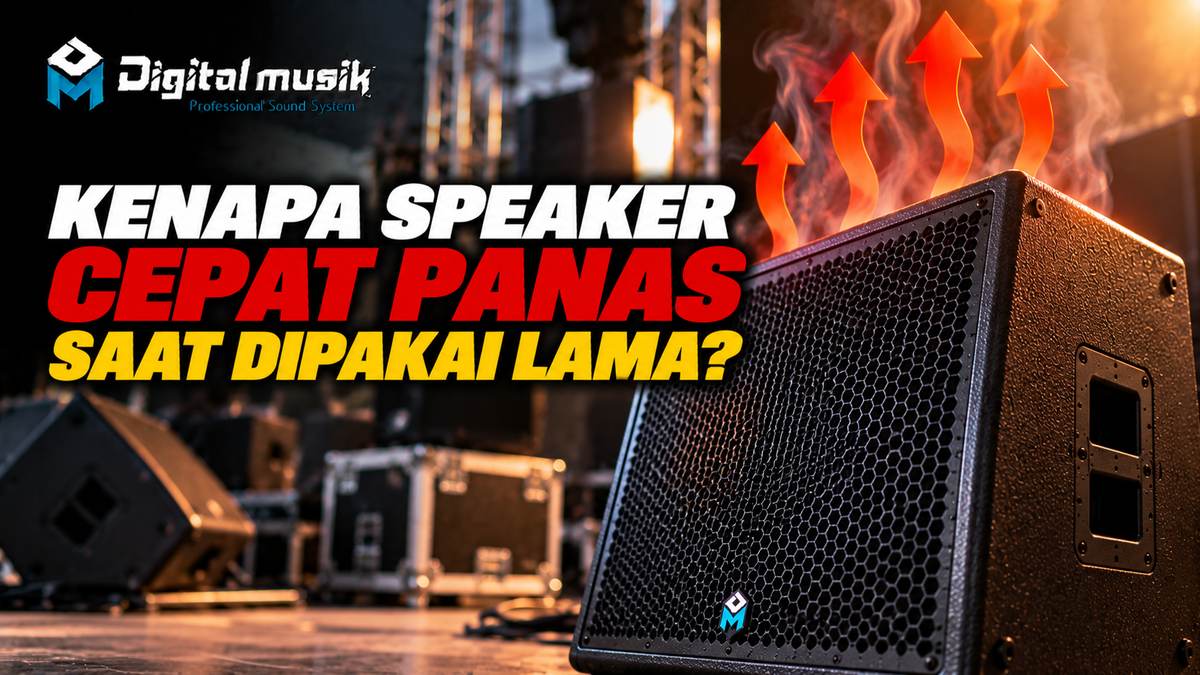
Speakers feeling hot when used for a long time is a common phenomenon that often causes concern. This excessive heat can not only reduce sound quality but also potentially damage speaker components permanently if left unaddressed. Understanding why this happens is the first step to preventing damage and ensuring optimal audio performance.
Main Causes of Speakers Overheating Quickly
There are several main factors that contribute to excessive heating in speakers, especially when used for long durations. Let's break them down one by one:
1. Excessive Workload (Overload)
This is the most common cause. When you push a speaker beyond its capabilities, both in terms of power (watt) and the frequency range being played, its internal components will work extra hard. The speaker driver, especially the voice coil, will generate significant heat because the electrical current flowing through it becomes very high. An unsuitable amplifier can also be a cause, sending distorted signals (clipping) that are hotter for the speaker.
2. Poor Ventilation
Every electronic component, including speakers, needs good air circulation to dissipate the heat generated. If a speaker is placed in a tightly enclosed cabinet without adequate ventilation, heat will be trapped inside. This is exacerbated if the speaker is placed close to other heat sources or in a high-temperature room.
3. Internal Component Issues
Over time, components inside a speaker can degrade or get damaged. A voice coil that is starting to wear out, loose cable connections, or even damage to the speaker's suspension can increase resistance or cause friction that generates excessive heat. In passive speakers, crossover components like resistors or inductors can also be a source of heat if their values change or they are too small to handle the power passing through them.
4. Mismatched Impedance
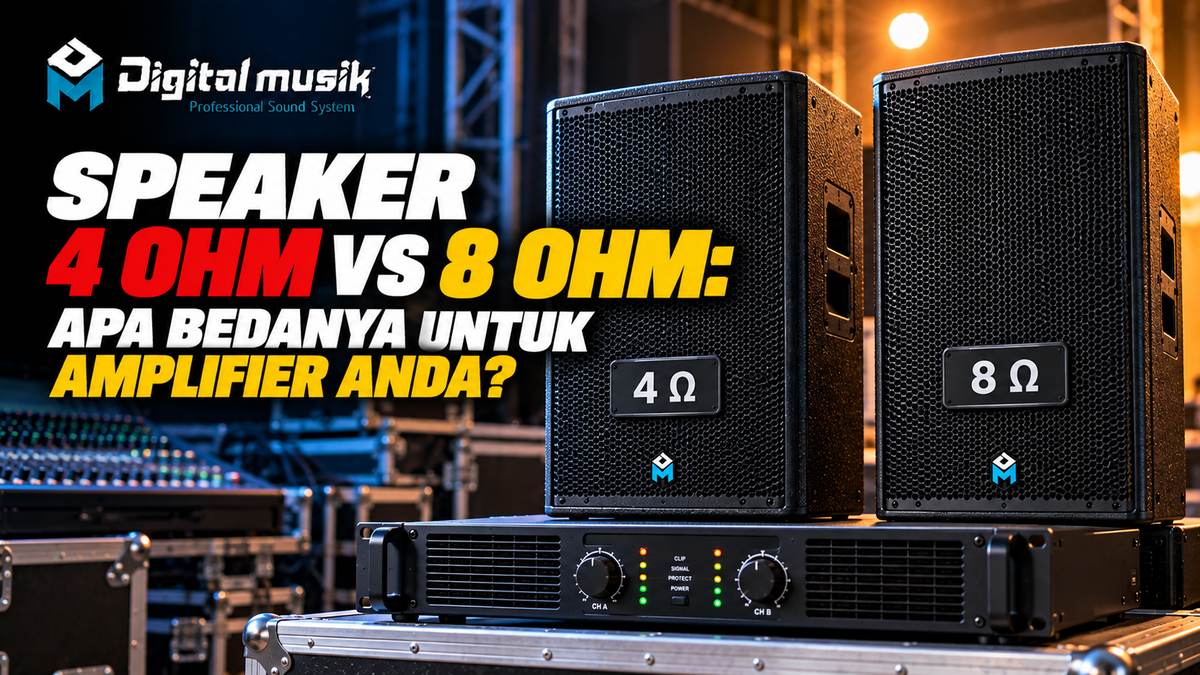
Speaker impedance (measured in Ohm) determines how much load the speaker places on the amplifier. If the speaker's impedance is too low for the amplifier being used, the amplifier will draw more current than it was designed for, causing the amplifier to heat up and potentially send excessive power to the speaker. Conversely, if an amplifier is designed for low impedance and connected to a high-impedance speaker, the amplifier may not operate optimally, but the speaker itself is generally safer from heat due to amplifier load.
5. Material Quality and Construction
Speakers made with low-quality materials or poor construction tend to be more susceptible to heat. For example, the use of voice coil material that is not heat-resistant, adhesives that melt easily, or cabinet designs that are inefficient in heat dissipation.
How to Recognize an Overheating Speaker?
Symptoms of a speaker starting to overheat are usually quite clear:
- Physical Touch: The speaker feels very hot to the touch (be careful when doing so).
- Changes in Sound Quality: The sound starts to sound distorted, crackling, or loses detail, especially at certain frequencies.
- Burning Smell: In severe cases, you might smell something like burning plastic or components.
- Active Protection: Some modern amplifiers have protection features that will shut down the output if they detect heat issues or overload, which could indicate a problem with the speaker or cables.
Prevention Steps and Solutions
Preventing speakers from overheating quickly is better than dealing with it after damage occurs. Here are some steps you can take:
- Adhere to Power Limits: Always use an amplifier with appropriate power and do not push the speaker beyond its watt specifications. Also, pay attention to the frequency range designed for that speaker.
- Ensure Adequate Ventilation: Provide enough space around the speaker for air to circulate properly. Avoid placing speakers in enclosed cabinets without adequate ventilation holes.
- Use the Right Cables: Ensure speaker cables are of appropriate gauge for the power being transmitted and their length. Cables that are too thin or too long can increase resistance and generate heat.
- Check Connections: Ensure all cable connections to the speaker and amplifier are tight and not loose or corroded.
- Avoid Signal Clipping: Pay attention to the gain level on the amplifier. Distorted signals (clipping) are very damaging and generate excessive heat in speakers.
- Regular Maintenance: Conduct routine visual inspections to detect signs of physical damage to the speaker or connections.
If you frequently encounter issues with speakers overheating quickly, especially in professional setups or complex installations, this could indicate that your audio system may need further evaluation. Ensuring every component operates within its optimal limits is crucial for the longevity and best performance of your audio devices.
Understanding speaker characteristics and how they interact with amplifiers and the usage environment is key to maintaining audio performance. If you need further discussion regarding proper speaker selection, optimal cabinet design for heat dissipation, or other professional audio solutions, PT Digital Musik Indonesia is ready to be your discussion partner.