Why a Clear Speaker Production RFQ is Crucial?
When you plan to produce speakers in large quantities, whether for your own product line (OEM) or other specific needs, drafting a comprehensive Request for Quotation (RFQ) is a crucial step. A detailed RFQ not only helps potential manufacturers accurately understand your needs but also ensures you receive precise price quotes, minimizes misunderstandings, and accelerates the production process.
Without adequate information in the RFQ, manufacturers might provide overly general estimates, assume incorrect specifications, or even decline the project due to ambiguity. This can lead to delays, cost overruns, or final results that do not meet expectations.
Essential Components in a Speaker Production RFQ
To ensure your RFQ is effective, here are the key elements that must be included:
1. Your Company Information
Although the main focus is product specifications, providing a brief overview of your company can help manufacturers understand the context and scale of the project. Include:
- Your company name.
- Primary business field (e.g., audio manufacturer, AV solutions provider, distributor).
- Relevant contact person (name, title, email, phone number).
2. Clear Product Description
This is the core of your RFQ. The more detailed the product description, the more accurate the quotes you will receive. Consider the following points:
- Speaker Type: (e.g., bookshelf, floorstanding, portable, soundbar, subwoofer, studio monitor, PA speaker).
- Intended Use: (e.g., home audio, commercial installation, live performance, studio recording, outdoor event).
- Target Market: (e.g., general consumers, audio professionals, premium segment, education).
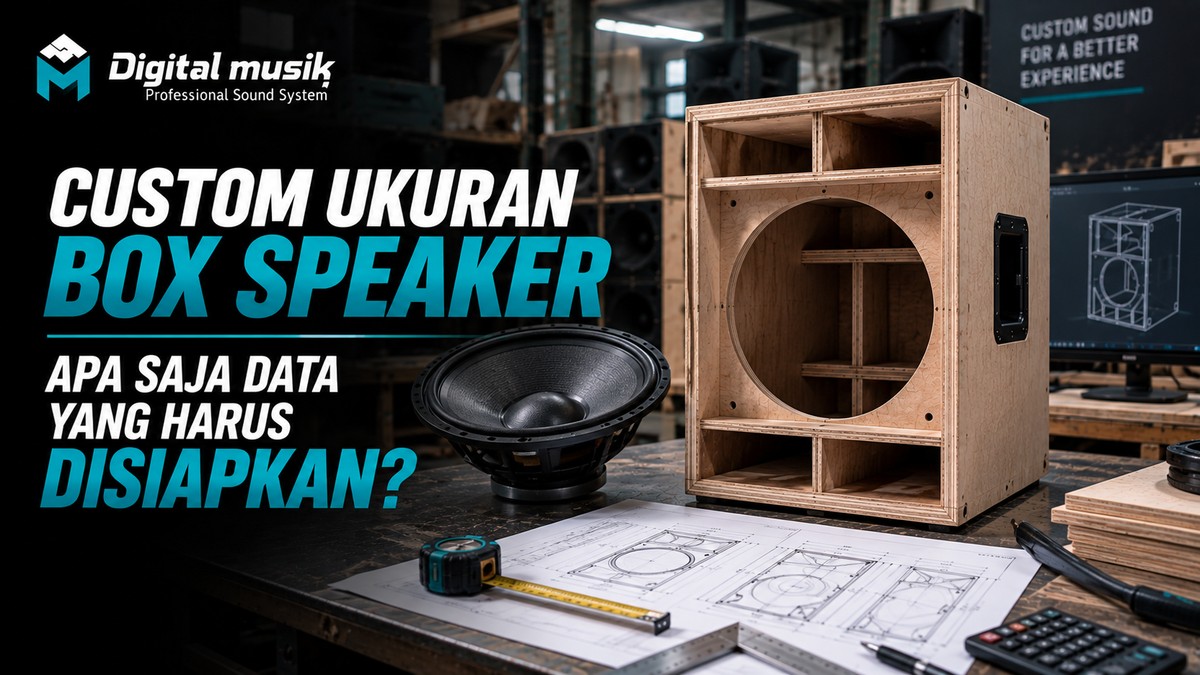
- Dimensions and Weight: Provide desired physical dimensions (height, width, depth) and estimated weight if possible.
3. Detailed Technical Specifications
This section is crucial for audio products. Include:
- Driver: Type (woofer, midrange, tweeter, full-range), size (inch or cm), cone material (paper, polypropylene, Kevlar, etc.), impedance (ohm), sensitivity (dB), power handling (RMS/peak).
- Crossover: Crossover frequency (Hz), crossover type (passive/active), slope (dB/octave).
- Frequency Response: Desired frequency range (Hz-kHz) and its tolerance (e.g., ±3dB).
- Power Handling: Recommended RMS power and peak power.
- Connectivity: Terminal type (binding posts, Speakon, XLR, RCA, etc.).
- Special Features: Bass reflex port, sealed design, waterproofing, mounting points, etc.
4. Material and Construction
Specify the materials you desire for the cabinet and other components:
- Cabinet Material: MDF, plywood (specify type, e.g., Baltic Birch), ABS plastic, aluminum, etc. Include desired thickness.
- Internal Bracing: Is internal bracing required for cabinet rigidity?
- Damping Material: Desired type of sound damping material (e.g., fiberglass, polyester fiber, rockwool).
5. Finishing and Aesthetics
The appearance of the speaker is often as important as its performance:
- Finishing Type: Vinyl wrap, real wood veneer, paint (gloss, satin, matte), textured coating.
- Color: Specify color codes (e.g., RAL, Pantone) or provide image references.
- Grille: Grille design, material (fabric, metal), color.
- Logo and Branding: Instructions for your logo placement (e.g., print, metal plate, emboss).
6. Quantity and Production Schedule
This will significantly affect cost estimates:
- Target Quantity: State the number of units you desire. If you have phased quantity targets (e.g., for the first batch, second), include them as well.
- Target Schedule: When do you need the first units or when should the entire order be completed? Provide a realistic target date.
7. Quality and Testing Requirements
How do you ensure product quality meets your standards?
- Quality Standards: Are there industry standards or internal specifications that must be met?
- Quality Control (QC) Process: Describe the QC process you expect from the manufacturer, including pre-shipment inspection.
- Approval Process: Do you require prototype samples before mass production?
8. Packaging and Shipping Requirements
How will the speakers be packaged and shipped?
- Packaging Material: Carton, foam, polystyrene, etc.
- Packaging Design: Are there specific packaging specifications (e.g., logo, handling instructions)?
- Shipping Method: FOB, EXW, CIF? Specify the port or delivery location.
9. Other Supporting Documents
Include any documents that can assist the manufacturer, such as:
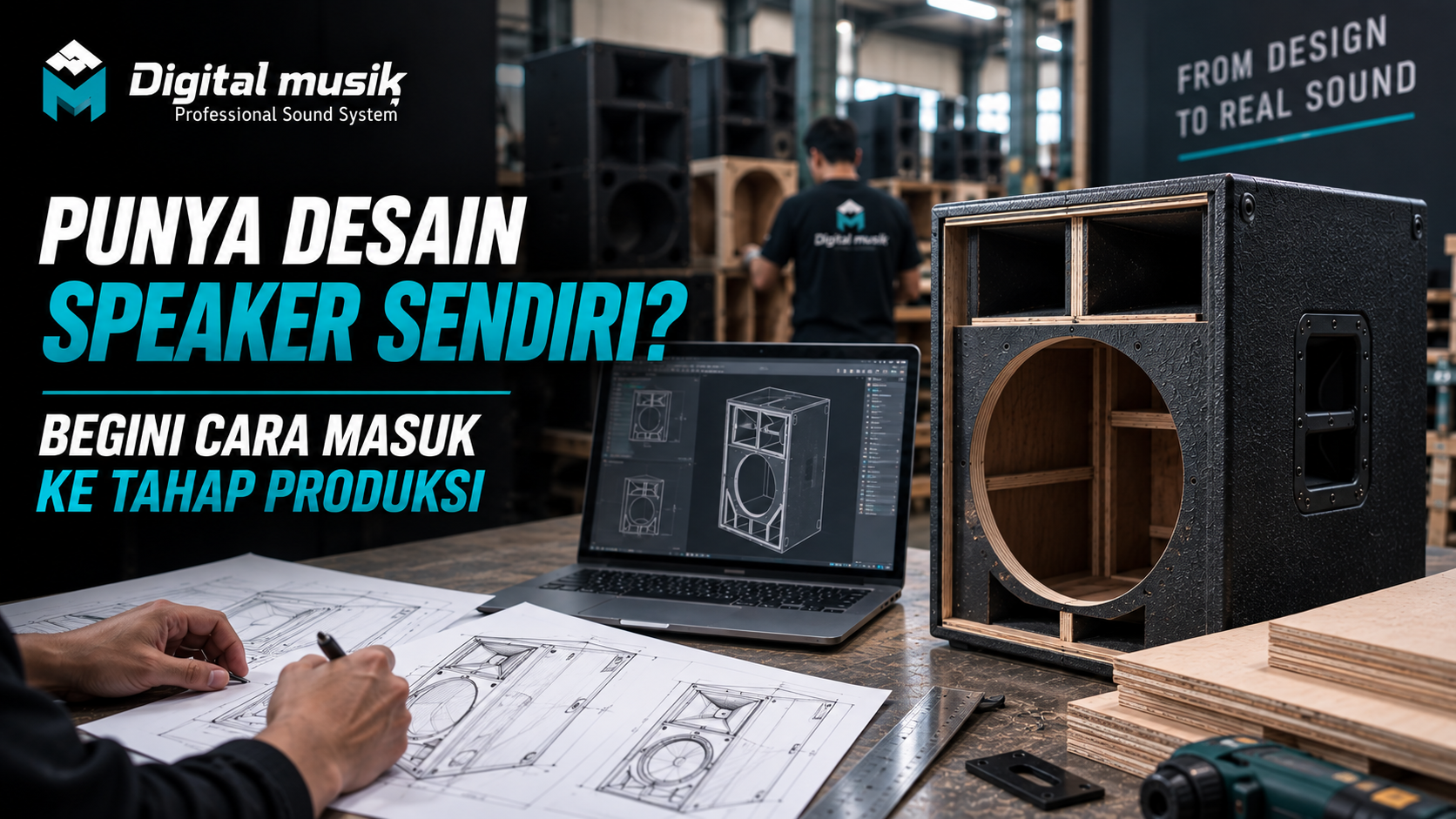
- Technical drawings or CAD files.
- References to similar products already on the market.
- Detailed material specifications.
Choosing the Right Production Partner
Drafting a detailed RFQ is a crucial first step. However, selecting the right manufacturer is equally important. PT Digital Musik Indonesia, as part of the professional audio ecosystem, understands the complexity of speaker cabinet production and the need for reliable manufacturing partners.
If you require further discussion regarding technical specifications, cabinet materials, custom fabrication processes, or even consultation on audio product development, we are ready to be your discussion partner. Understanding the details in an RFQ is key to ensuring your speaker production project runs smoothly and results in high-quality products.
Ensure your RFQ covers all the points above to get accurate quotes and minimize risks in the production process.